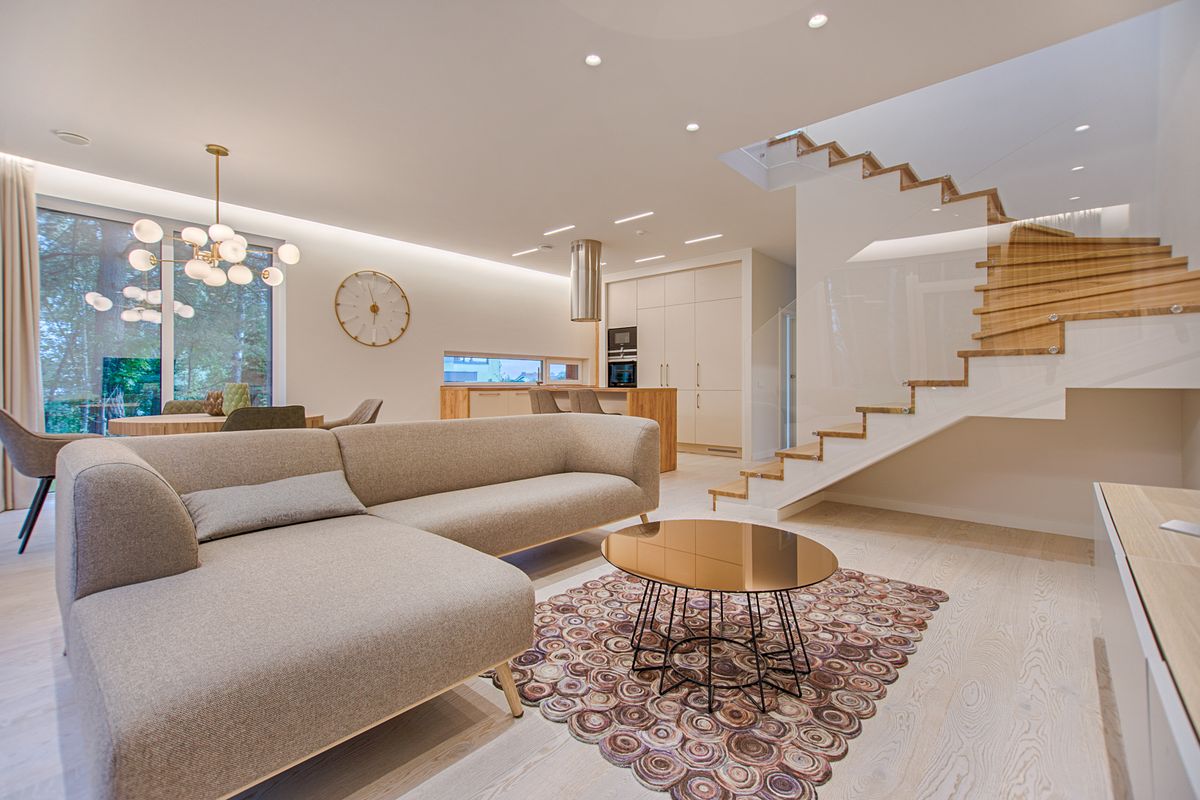
The kitchen remains the heart of the American home, where families gather, meals are crafted, and memories are made. Yet transforming this vital space can feel overwhelming, with average full renovations ranging from $25,000 to $50,000 and timeline stretching 8-12 weeks. Today's artificial intelligence visualization tools are revolutionizing how homeowners approach kitchen redesign, offering unprecedented clarity before the first cabinet is removed or wall demolished.
Understanding Your Space and Constraints
Before diving into design possibilities, conduct a thorough assessment of your existing kitchen's structural elements. Measure ceiling heights, note load-bearing walls, and document plumbing and electrical locations. These fixed elements will significantly impact your renovation budget and timeline. Moving plumbing can add $2,000-$5,000 to project costs, while relocating electrical service typically runs $1,000-$3,000 per circuit.
Consider your household's cooking patterns and traffic flow. A family that entertains frequently will prioritize different features than busy professionals who rely on quick meal preparation. Document pain points in your current space: insufficient counter area, poor lighting, or cramped walkways. These observations will guide your redesign priorities.
Leveraging AI for Design Exploration
Modern AI visualization platforms have transformed the preliminary design process, allowing homeowners to experiment with layouts, finishes, and fixtures virtually. AI room design tools like RemodelAI enable rapid iteration through multiple design scenarios, helping you visualize how different cabinet configurations, color schemes, and material choices will look in your specific space.
Upload photos of your current kitchen from multiple angles, ensuring good lighting and minimal clutter. The AI algorithms work most effectively with clear, well-lit images that capture the room's proportions accurately. Test various scenarios: galley versus L-shaped layouts, light versus dark cabinetry, and different backsplash materials. This digital experimentation phase can save thousands in costly design revisions later.
Key Design Elements to Test
- Cabinet door styles and finishes, which represent 35-40% of total renovation costs
- Countertop materials ranging from $40-$200 per square foot installed
- Backsplash options from subway tile ($8-$15 per square foot) to natural stone ($25-$50 per square foot)
- Lighting configurations including under-cabinet, pendant, and recessed options
- Appliance placement and finish coordination
Translating Virtual Designs to Reality
Once AI visualization helps narrow your preferred aesthetic direction, the real work begins. Create detailed material specifications and obtain actual samples. Colors and textures can appear significantly different under your home's specific lighting conditions compared to digital representations. Order large samples of finalist materials and observe them throughout different times of day.
Develop a realistic timeline working backward from your desired completion date. Factor in potential delays for custom cabinetry (typically 8-12 weeks lead time), appliance delivery challenges, and permit approval processes. Many municipalities require 2-4 weeks for permit approval on significant kitchen renovations.
Budget Planning and Prioritization
Establish your total renovation budget early, allocating funds across major categories. Industry professionals recommend this breakdown: 30% cabinetry, 20% labor, 15% appliances, 15% countertops and backsplash, 10% flooring, 5% lighting, and 5% miscellaneous items and overruns.
Identify which elements deliver maximum impact for your investment. In most cases, cabinet refacing rather than replacement can save 40-50% while dramatically updating the space's appearance. Similarly, strategic appliance upgrades—focusing on the refrigerator and range, which dominate visual impact—can be more cost-effective than replacing every appliance simultaneously.
Professional Partnership Strategy
Armed with AI-generated visualizations and clear material preferences, approach contractors and designers more effectively. Your preliminary digital planning demonstrates seriousness and helps professionals provide more accurate estimates. Request itemized bids that align with your established categories, making comparison shopping more straightforward.
Verify contractor licensing, insurance coverage, and recent project references. Schedule reference calls with homeowners whose projects were completed 6-12 months ago, allowing time for any post-completion issues to surface. Quality kitchen renovations should include warranties of at least one year on labor and installation.
Future-Proofing Your Investment
Kitchen renovations typically last 15-20 years, making long-term planning essential. Consider aging-in-place features like varied counter heights, accessible storage solutions, and lever-style faucets. These universal design elements don't compromise aesthetics while enhancing functionality for users of all ages and abilities.
The intersection of artificial intelligence and home renovation is creating unprecedented opportunities for homeowners to make informed, confident design decisions. By combining digital visualization with practical planning, material research, and professional execution, your kitchen redesign can achieve both your aesthetic vision and functional goals while staying within budget parameters. The result: a transformed space that truly serves as the heart of your home for decades to come.